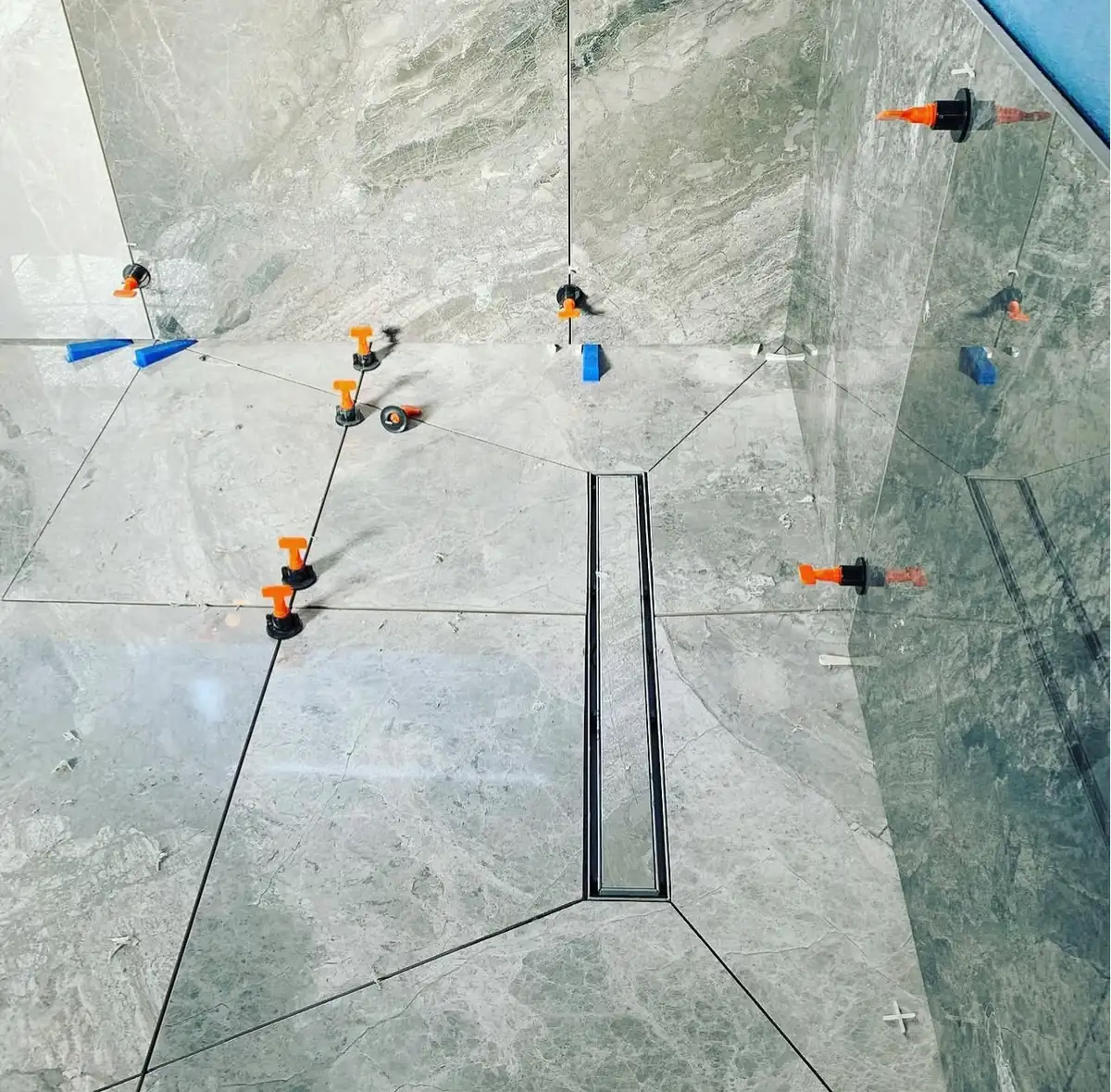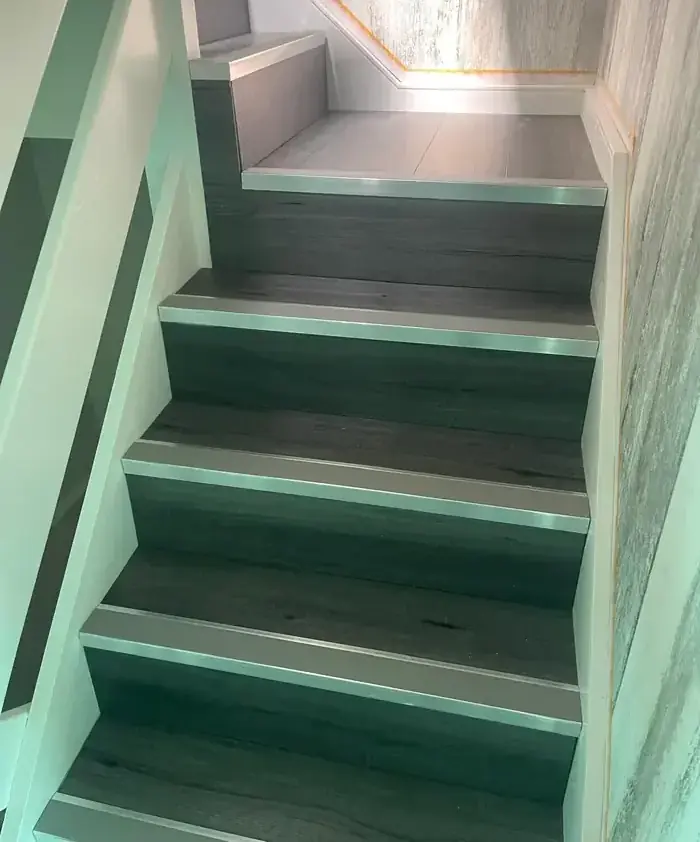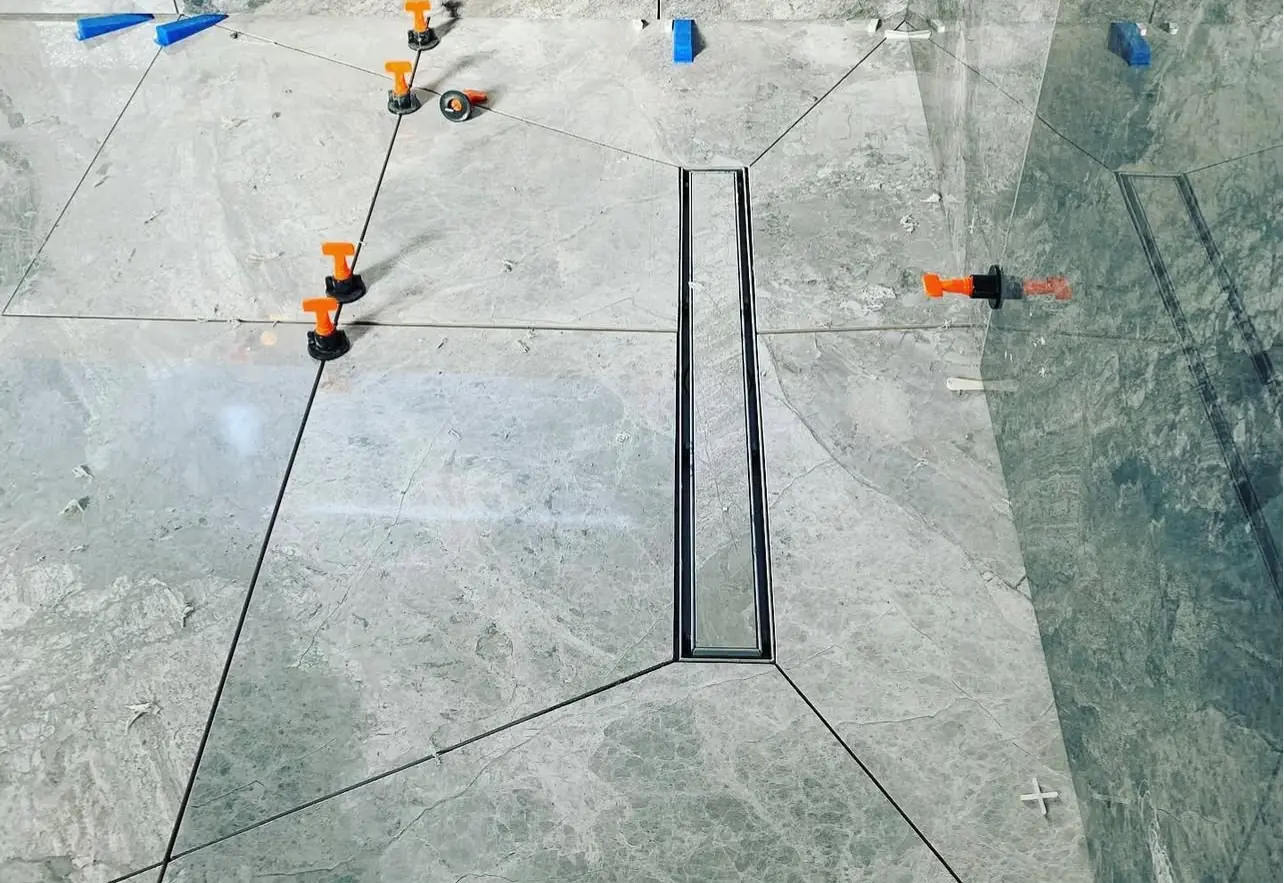
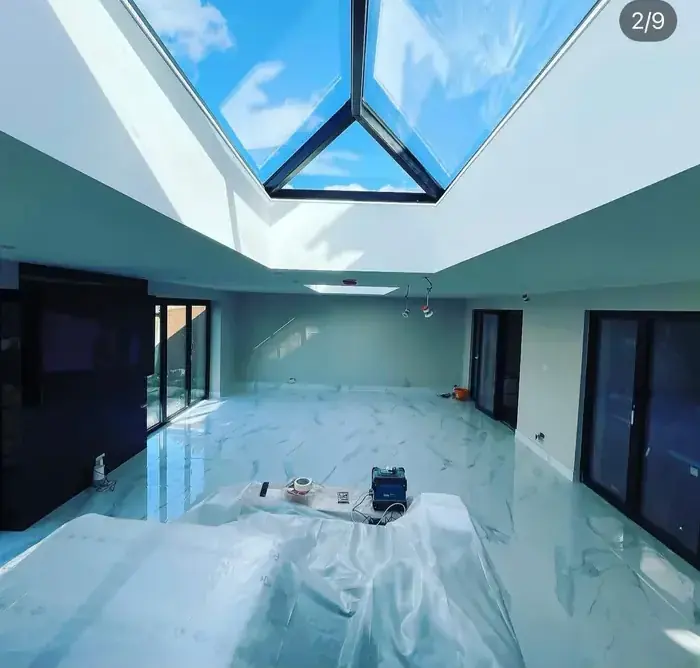
Structure first, finishes last
Every Haverhill job we run starts with the parts you never see again: foundations dug to the depth the ground actually needs, engineer-sized steels with padstones and fire protection, and a weathertight roof before a single sheet of plasterboard arrives. Finishes are the easy part once the shell is right.
The CB9 building stock
Haverhill is mostly London-expansion housing built from the 1960s onward, with a smaller core of older brick and timber-framed property around the High Street and Queen Street. A lot of CB9 stock has flat-roofed extensions, single-skin outbuildings and dated first-fix that is worth replacing rather than patching, and we say so at survey stage.
One team, one programme
You deal with Gabriel from the first site visit to the final snag. Trades are sequenced in writing — groundwork, structure, roof, first fix, plaster, second fix, decoration — so nobody turns up to a job that is not ready and the Haverhill programme does not quietly drift by a month.
Building control and paperwork
Building regulations approval, structural calculations, party wall notices where a shared wall is involved and West Suffolk Council conditions are all handled as part of the job. You get inspection sign-offs and certificates at the end, which is exactly what a solicitor asks for when you sell.
Building work across Haverhill
Haverhill is around nineteen miles from our base, so CB9 projects are booked as continuous programmed weeks rather than odd days between other jobs. Small structural jobs run one to two weeks, a single-storey extension eight to twelve, and a full refurbishment two to four months.