Staircase refurbishment
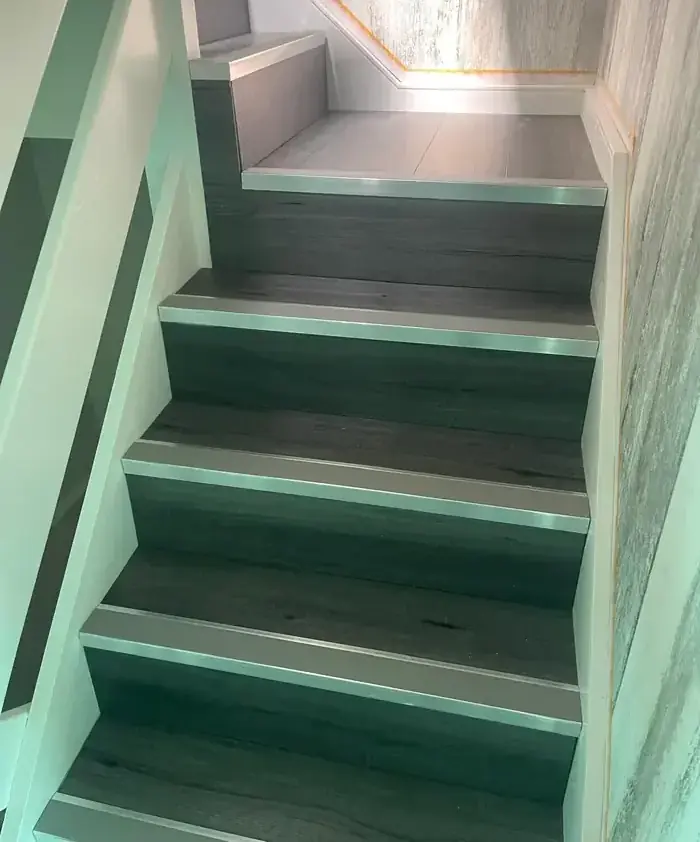
The quickest way to change a hallway. Old treads are cladded or replaced in oak, risers painted, the balustrade swapped for square-section spindles, glass or a steel-and-oak run, and the newel caps changed to suit. On carpeted stairs we lift and check the strings first — squeaks are almost always a loose wedge or a shrunken glue block, and they get fixed properly rather than screwed through the tread.
Fitted storage and alcove joinery
Alcove cupboards and bookcases built to the actual room, not to a flat-pack module. Scribed to walls that are never square, ply carcasses rather than chipboard, soft-close hinges, and shaker or flat doors sprayed in the colour you choose. The same approach covers window seats, boot rooms, understairs storage and wardrobes.
Doors, skirting and architrave
Internal doors hung on three hinges, gaps set consistently, latches and handles fitted level throughout the house. Skirting and architrave in MDF or hardwood, mitres glued and pinned, scribed into internal corners rather than caulked into a gap. It is the detail that makes a whole renovation read as finished.
Structural first fix
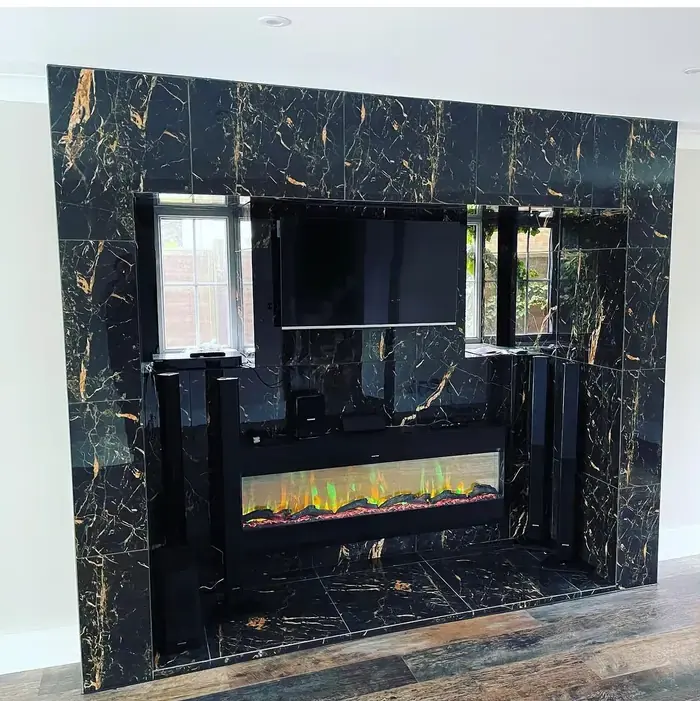
Behind our extension and loft work: floor joists and noggins, stud partitions with the right acoustic detail, roof carpentry, firrings and decking to flat roofs, and the doubled framing wherever a TV, radiator, grab rail or kitchen wall unit is going to land. Getting this right is what makes second fix quick and straight.
Timber, finish and aftercare
Everything is set out from a datum line, not from the floor, because almost no Hertfordshire floor is level. Timber is acclimatised in the house before it is cut, moving joints are caulked, fixed joints are filled and sanded, and you get a two-year workmanship guarantee with the invoice.